 DHMA
DHMA
In the Kathmandu Valley and across the high Himalayas, generations grew up in a world where divine wrath, supernatural forces, and ritual remedies explained illness, earthquakes, and sudden natural disasters. These beliefs were not mere superstitions; they formed the core of community identity, emotional comfort, and shared history. Changing such deeply rooted ideas is rarely a simple matter of logical debate—they are bound to memory, family, and belonging.
As we introduce Artificial Intelligence into education, its role should not be to dismantle tradition through blunt rationalism, nor to validate myth as scientific fact. Well-designed AI must serve as an instrument for contextual inquiry.
The Pedagogical Directive for AI
AI should avoid binary judgements. It must refrain from declaring "Your culture is wrong" or "Your traditions are inherently true." Instead, it should guide young minds to ask analytical, respectful questions: What historical conditions and knowledge base gave rise to this belief? What communal or human value does the ritual or narrative preserve? What do seismology, geology, hydrology, or medicine demonstrate today? How do we distinguish between empirical evidence and cultural interpretation? How can we preserve cultural dignity while shedding fear-based fatalism?
Understanding a belief is not the same as believing it.
Case Studies in Contextual Inquiry: Earthquakes and High-Altitude Floods
Applying this dual-layer framework allows young learners to bridge ancestral narratives with modern earth sciences across different disaster scenarios:
1. Tectonic Shifts & Earthquakes
When discussing seismic disasters in the valley, an empathetic AI platform can explain the traditional narrative of a subterranean serpent (Vasuki) or divine punishment while clarifying the tectonic dynamics of the Indian and Eurasian plates. It acknowledges why supernatural explanations provided psychological meaning to communities lacking access to modern seismology—without presenting myth as scientific fact.
2. High-Altitude River Outbursts (The Rasuwa Disaster)
The recent flash floods along the Bhotekoshi and Trishuli rivers—where a sudden surge destroyed critical infrastructure and border settlements—offer a clear contemporary example.
Historically, a sudden wall of water descending under clear skies was understood as the wrath of river spirits (Nagas) or mountain deities. AI contextualizes this as early human effort to interpret cataclysmic phenomena before remote sensing existed.
Satellite data and hydrological analysis reveal the physical mechanism: a massive upstream landslide temporarily dammed the Lhende Khola along the border, causing an outburst flood carrying mud and heavy boulders downstream.
Critical inquiry allows youth to honor the traditional reverence for mountain rivers (ecological humility) without accepting that loss of life is preordained. It shifts the mindset toward early warning sensors, transboundary hydrological monitoring, and resilient infrastructure.
The Legacy of Heera Devi Yami: Cognitive Liberation Across Generations
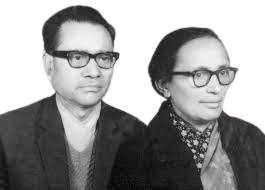
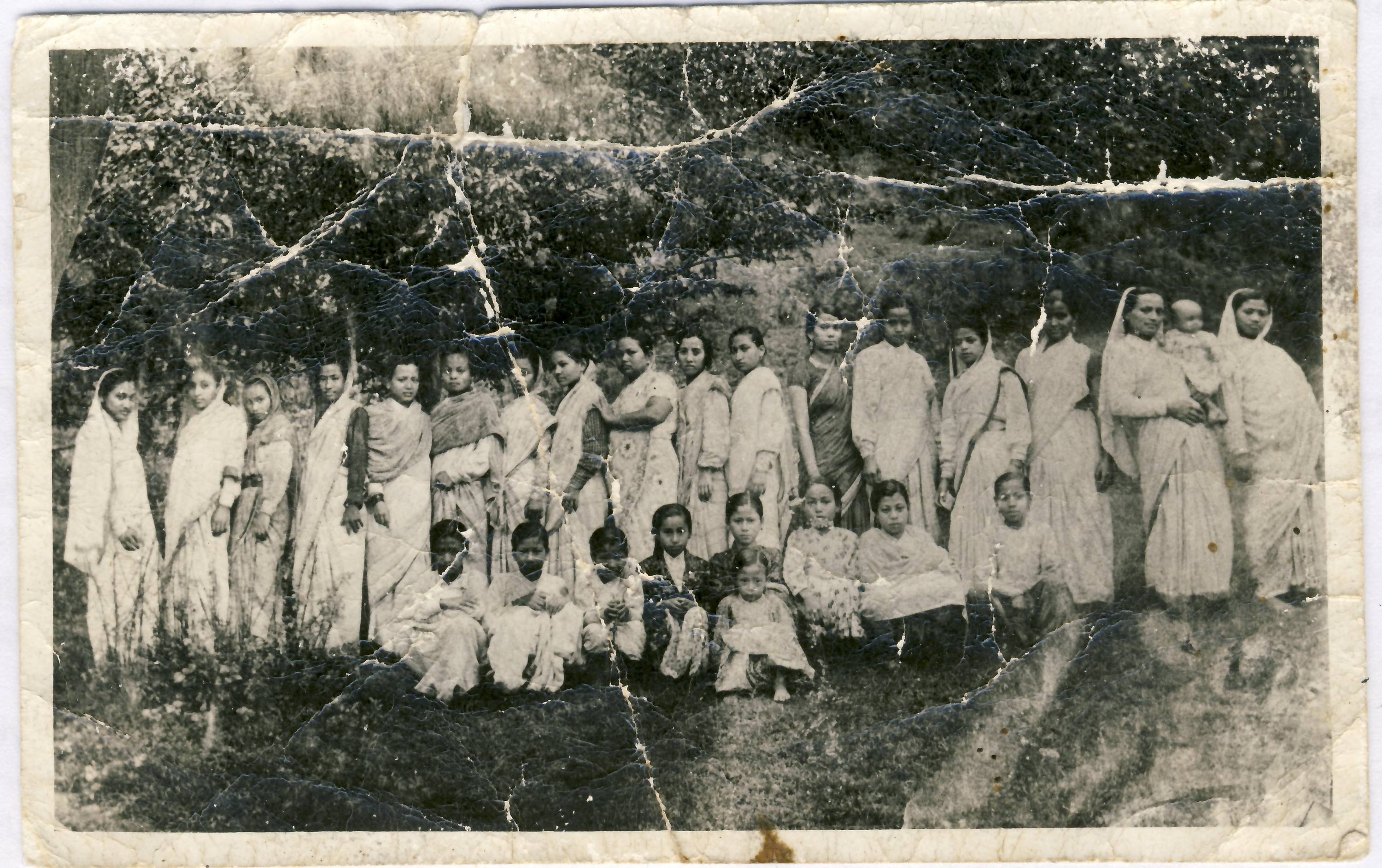
Long before digital tools existed, social reformer Heera Devi Yami recognized that political change alone could not deliver true liberation—people also required freedom of thought.
Working in an era when scientific information and formal education were severely restricted, she courageously encouraged communities to examine injustice, question fatalism, and build independent critical reasoning. What she sought to achieve through direct dialogue and social engagement can now be scaled through 21st-century educational technology.
Bridging Heritage and Modernity
The goal of AI-driven education is not to erase Himalayan or Kathmandu cultural heritage, but to equip the next generation to distinguish between:
Heritage and Fear
Symbolism and Fact
Ritual and Evidence
Faith and Manipulation
Our ancestors acted on the knowledge available in their era. Today, we bear the responsibility of offering our children the complete body of human knowledge available now.
Fusing Heera Devi Yami’s vision of intellectual awakening with ethical AI design offers a blueprint for national AI literacy—one that honors local legacy, builds critical reasoning, and replaces fear with empowered understanding.