 DHMA
DHMA
The story of two Nepali activists reveals a universal truth about awareness and rejection
Have you ever been told you're "too sensitive" or "think too much"? Have you ever seen something clearly that others refused to acknowledge, only to find yourself isolated for your vision?
If so, you're experiencing what truth-seekers throughout history have faced. The pattern is universal: those who awaken first often walk the loneliest paths.
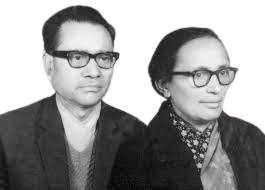
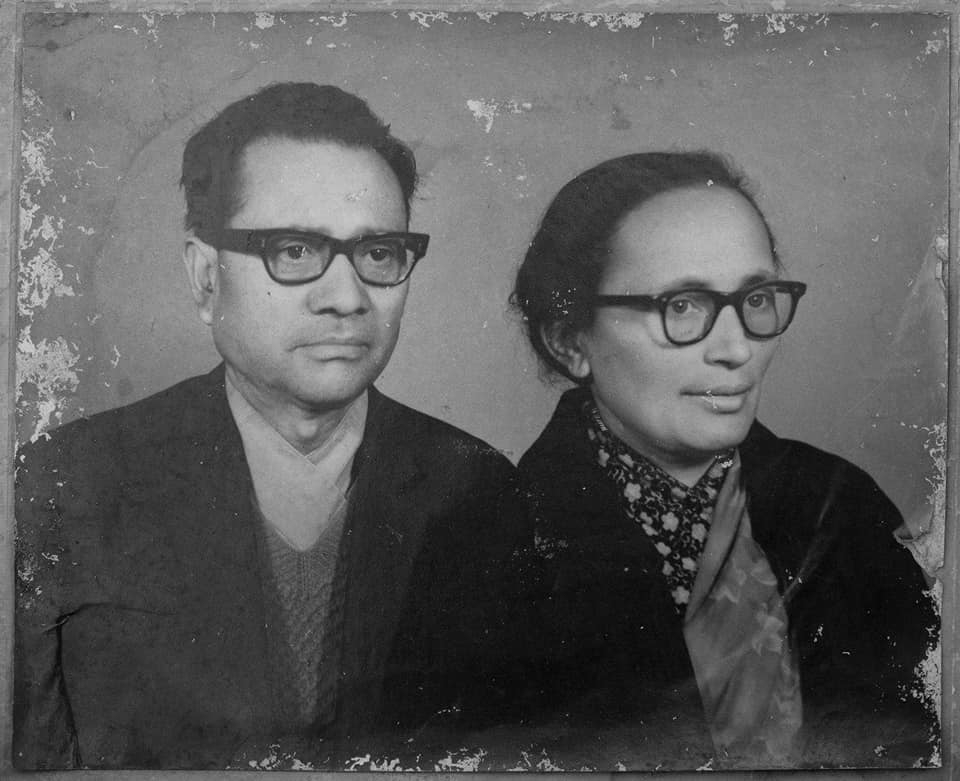
The inspiring story of Dharma Ratna Yami and Heera Devi Yami—two Nepali freedom fighters and social reformers—perfectly illustrates why society resists awareness and how conscious individuals ultimately transform the world.
The Truth-Tellers Who Would Not Be Silenced
Dharma Ratna Yami was a man who wrote what others only whispered. His books were banned not because they were false, but because they were too truthful. He exposed systemic injustices and social inequalities at a time when such truths threatened the comfortable illusions of his society. Beside him stood Heera Devi Yami, his wife and equal partner in courage. She made a radical choice to marry a man who had spent years in prison for his beliefs. Her famous promise—"Even if we have only one soybean to eat, I will share half without complaint"—wasn't just romantic; it was revolutionary. Together, they embodied a partnership of purpose, showing what it means to live for truth rather than comfort.
Why Awareness Feels Threatening
The rejection the Yamis faced follows a predictable psychological pattern that continues today. Here's why awakened individuals often meet resistance:
1. We're Wired to Conform
Groundbreaking research by psychologist Solomon Asch revealed that 75% of people will give obviously wrong answers just to fit in with the group. This instinct runs deep—we fear social rejection more than we value being right.
When someone like Dharma Ratna Yami refuses to conform, they become a living mirror for others' compromises. And mirrors make people uncomfortable.
2. Truth Disrupts Comfortable Illusions
Awareness exposes gaps between what is and what should be. When someone lives according to truths that others are denying, it creates psychological tension.
Studies by Kipling Williams show that social rejection activates the same brain regions as physical pain. So when groups exclude truth-tellers, they're often protecting their own psychological comfort.
3. The "Scapegoat" Mechanism
Philosopher René Girard identified how groups maintain cohesion by projecting their tensions onto a single individual. Sociologist Irving Janis called this "groupthink"—the tendency to prioritize harmony over critical thinking.
The person who sees clearly often becomes this scapegoat, bearing the burden of the group's unresolved contradictions.
The Loneliness of Early Awareness
There's a name for this experience: The Cassandra Syndrome. In Greek mythology, Cassandra was given the gift of prophecy but cursed never to be believed. Those who see truths early often share her fate—dismissed and ridiculed until their predictions come true.
This solitude, while painful, isn't punishment. It's often the necessary condition for deep clarity to emerge. Dharma Ratna wrote from prison; Heera Devi stood firm against social pressure. Their isolation became the fertile ground for their insights to mature.
How the Awake Ultimately Transform Society
While rejection hurts, it often signals that you're onto something important. Sociologist Everett Rogers' research on innovation diffusion shows that all meaningful change begins with a small group of "early adopters"—the visionaries who see what others can't yet perceive.
The pattern is consistent:
· First, they're ignored
· Then, they're ridiculed
· Then, they're opposed
· Finally, their truth becomes self-evident
The Yamis lived this sequence. Their once-radical ideas about justice and equality now inspire new generations.
Awareness as an Act of Love
To be awake isn't to feel superior to others. It's to love humanity enough to see it clearly—with all its flaws and potential—and to work for its healing despite the personal cost.
Heera Devi's commitment to sharing "one soybean" embodies this perfectly. Her awareness wasn't abstract; it was practical, grounded in shared sacrifice.
The Legacy That Continues
If you've ever felt rejected for seeing too clearly, remember the Yamis. Remember that rejection often means you've stepped beyond illusion into a more authentic reality.
As Mahatma Gandhi observed: "First they ignore you, then they laugh at you, then they fight you, then you win."
Awareness, however unsettling, isn't the problem—it's the beginning of transformation. The world needs people willing to see clearly, even when it's uncomfortable. The Yamis showed us that this courage, though lonely at first, ultimately lights the way for everyone else.